Henry Orozco
Day of the DeadHenry Orozco is known chiefly through the unresolved suspicions surrounding his daughter Roseanne Orozco’s death and through the family’s later accounts of their life before and after it. Emma Orozco’s husband and the father of Roseanne Orozco and Andrea Tashquinth, he became a suspect after Roseanne disappeared from the hospital and was found dead. The investigation never established that he had committed a crime, and his death left Emma free to pursue the questions he had urged her to leave behind.
Identity and Family
Henry was married to Emma and had at least two daughters, Roseanne and Andrea. The surviving account of him is indirect: Brandon Walker hears Emma’s explanation of the family’s response to the case, while Andrea recalls their childhood and the events before Roseanne’s disappearance. Neither account supplies a full biography of Henry, and the evidence does not establish his age, occupation, or the circumstances of his death.
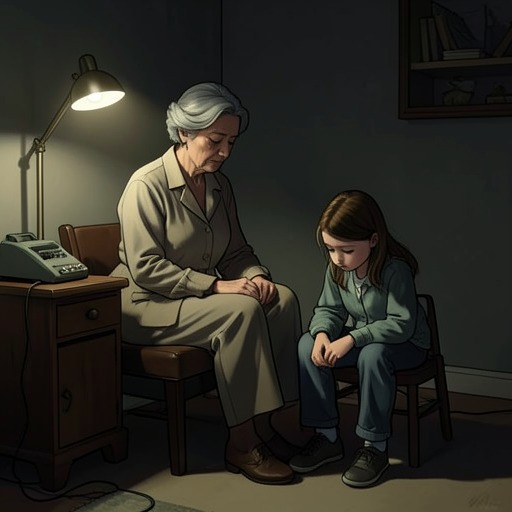
Andrea remembered that Roseanne was distressed about being left with their grandmother when Andrea first went to school. The next day, Andrea secretly brought her along. At school, Roseanne became frightened when she learned that the sisters could not share a class. After the principal carried her away and shut her in a dark closet, she returned home silent. Andrea said Roseanne never spoke again—not to her family or to anyone at school. Henry made her continue attending, although she did not answer questions or hand in work. Her parents took her to doctors, including doctors in Phoenix; when those visits did not help, Henry also took her to a traditional healer. These recollections place him within a family trying, by several routes, to respond to Roseanne’s withdrawal, even as her silence endured.
Suspicion and the Unresolved Case
The local tribal police suspected that Henry had fathered Roseanne’s pregnancy. Because no father was known, investigators considered incest. Emma later told Brandon that Henry was deeply upset when police raised the possibility that he had harmed his daughter, and that she was upset as well. The police could not establish whether the suspicion was true. DNA testing was not then available to resolve paternity as it might have later; Henry was never tried, but neither was he formally cleared.
The suspicion acquired a second dimension when Henry was treated as a possible killer. Fat Crack Ortiz told Brandon that some people believed Henry had made Roseanne pregnant and then killed her to keep Emma from discovering it. Fat Crack also stressed that no one had proved Henry had done anything wrong. Brandon recognized the unresolved balance: the allegation had not been disproved, but the absence of proof did not establish guilt. The case remained open in the family’s memory even after the investigation itself went cold.
Roseanne’s Disappearance and the Family’s Account
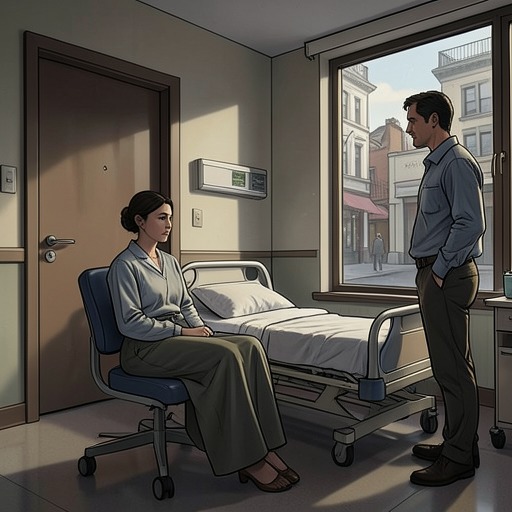
Andrea recalled that Roseanne had been ill after an appendectomy in the summer of 1970. When Roseanne remained unwell after school began, Emma took her to a doctor, who admitted her to the Sells Indian Health Services Hospital for tests. Henry was supposed to collect her after work. When he arrived, Roseanne was gone; the family initially assumed she had left the hospital by herself. The following week, her body was found in an ice chest beside the road.
Andrea believed Roseanne’s disappearance had something to do with the hospital. She said she had tried to tell investigators this at the time, but that, at sixteen, no one was interested in her opinion—particularly when suspicion had settled on her father. She could not identify a specific person at the hospital, only suggesting that it might have been someone who worked there or a visitor. Her account does not prove Henry’s innocence or involvement; it places the family’s suspicions alongside a lead she felt had been disregarded.
Emma’s Decision and Henry’s Narrative Role
Emma told Brandon that Henry had wanted them to forget what had happened and not dwell on the past. She waited until after his death to speak about Roseanne’s case and ask for help. Her decision was not simply a delayed request to revisit an old investigation: she was Roseanne’s mother, and the unresolved question of what happened to her daughter remained consequential after the public attention had passed. Henry’s opposition had helped postpone that inquiry, but the evidence does not specify why he wanted the family to leave the past alone.
The case’s institutional history further complicates the suspicions attached to Henry. Because Roseanne was believed to have been killed on the reservation by someone from the community, the investigation fell outside the county sheriff’s usual jurisdiction; the local tribal police lacked training, equipment, and money, while federal investigations into reservation murders were often cursory. Years later, Brandon recalled that health records from the Sells hospital had been computerized, making Roseanne’s 1970 appendectomy records potentially accessible. Emma said the hospital had found her own records but claimed it had no record of Roseanne’s admission. She concluded that someone at the hospital had been involved, but this remained her assessment, not a demonstrated finding. Henry thus remains both a person accused without resolution and part of a family whose testimony and questions had not been adequately pursued.